
Okay, so check this out—there’s a real appetite for a web-first Phantom experience. Wow! People want the convenience of their browser without wrestling with an extension or digging around their phone. My instinct said a web interface would simplify wallet access, but then I started thinking about the security trade-offs and realized it’s messier than it looks. Initially I thought a “web Phantom” would be mostly cosmetic, though actually, wait—there are real UX and workflow differences that change how people mint, send, and stake on Solana.
Let’s be blunt. Web interfaces are convenient. Seriously? Yes. They cut friction when you want to check your NFTs between meetings or move SOL quickly. But convenience and security are in an uneasy dance. Something felt off about the first web wallet I tried—small things like ambiguous signing prompts and unclear origins. I’m biased, but that part bugs me. If you’re chasing speed, remember: the faster the flow, the easier it is to trip up on a phishing prompt or paste your seed into the wrong box.
First, what a web Phantom-style wallet actually gives you. Short version: quick wallet access, in-browser signing, and a visual way to browse NFTs. Longer version: it can act like the extension, letting you approve transactions, view token balances, and interact with dApps, but depending on how it’s implemented it may or may not hold your secret key locally in the same way an extension or hardware wallet does. Hmm… that difference matters if you value custody security.
For folks who primarily collect NFTs on Solana, the web flow is attractive. NFT marketplaces are browser-first. Medium-length transactions are common. You click “mint,” a popup appears, you sign, and it’s done. The quicker flow helps. However—this is important—you should never paste your seed phrase into a random site, even if the UI looks identical to the one you trust. Phishers clone very convincingly. Always check the URL. Always verify the connection. Little things like the padlock icon and the certificate chain still matter on web wallets. Don’t skip them.
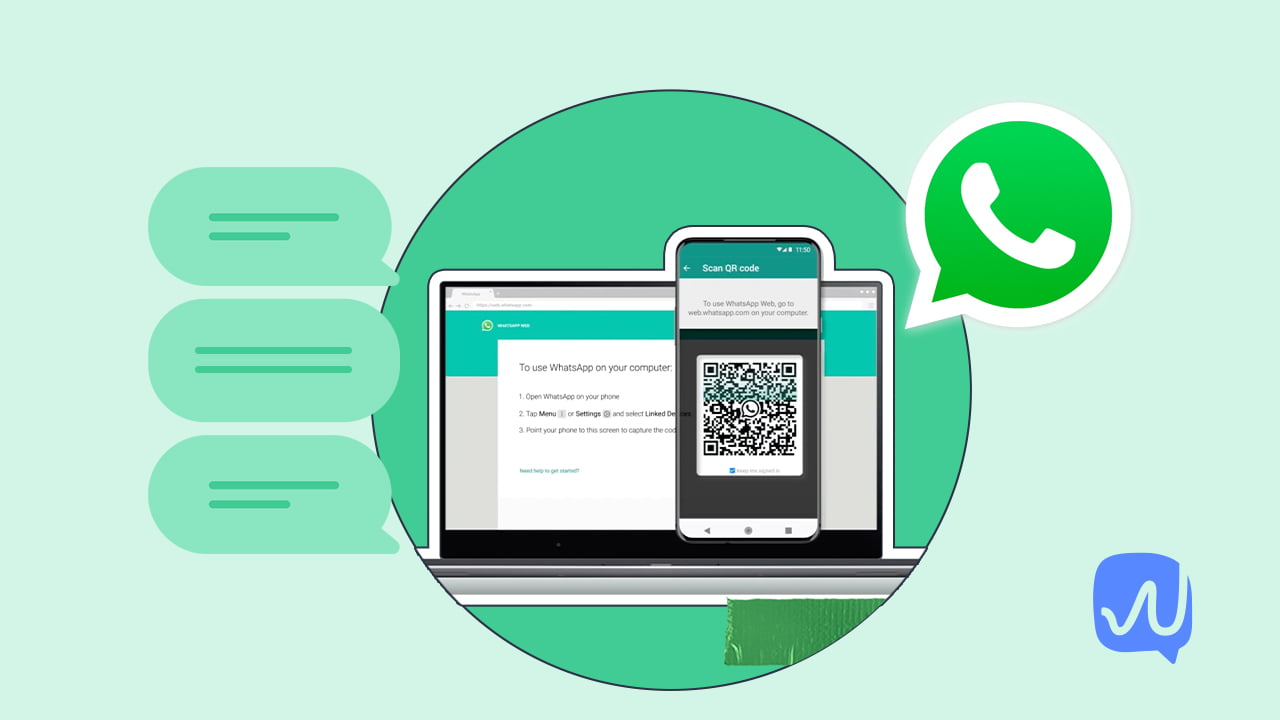
How to Use a Web Phantom Safely (practical steps)
Step one: treat the web interface like a useful but fragile tool. Slow down. One short tip: keep a hardware wallet for big balances. Really. Use it. Step two: if the web wallet supports hardware wallet integration, pair it and approve signing on the device. Step three: if you’re using a web-only account, export the public key only for dApps and keep the seed offline. Okay, these are obvious to some, but many forget.
Here’s a practical flow for minting an NFT on Solana using a web wallet:
– Navigate to the marketplace. Check the URL carefully. Don’t click links in Discord DMs unless you’ve validated them.
– Connect wallet. Approve only the public key and the requested permissions. If the prompt asks to sign arbitrary messages, pause.
– Mint. When the signing modal appears, read the fee and the instructions. Fees on Solana are low, but that doesn’t make a malicious contract safe.
– Confirm on a hardware device if available. Otherwise, double-check the transaction in the wallet’s raw view if the web interface exposes it.
There. Simple enough. But also layered. On one hand it’s fast. On the other hand, fast = more human error sometimes. On balance, hardware approval is the one habit that saved a lot of people I know from headaches—oh, and by the way, I test a lot of flows in my head before I try them in public.
Connecting this to Phantom specifically—if you want a web-like experience that mimics the popular extension, check out phantom web. It’s designed to feel familiar, so you get the same addresses, token views, and NFT gallery. But here’s the subtlety: different implementers handle key material differently. Some store keys in localStorage (not great), some rely on a browser crypto module, and some integrate hardware support properly. Know which you’re using.
Staking SOL via a web wallet
Staking on Solana is straightforward conceptually, but the on-chain mechanics are worth understanding. Short: you delegate SOL to a validator, earn rewards each epoch, and you can undelegate (deactivate) when you want your SOL back. Medium detail: rewards are distributed every epoch after activation; an epoch is typically about two days but that can wiggle. Longer thought: that near-immediacy makes Solana staking feel much more liquid than older PoS models with multi-week lockups, though you still must wait for deactivation and know which validator you trust.
Practical staking checklist for web Phantom users:
– Choose reputable validators. Look at uptime, commission, and known run teams. Don’t just pick the top APR; validator behavior matters.
– Delegate from the web wallet’s staking UI. Approve transactions carefully. If the web wallet creates a stake account on your behalf, note the account address so you can monitor it later.
– Expect an epoch delay before earning rewards, and a similar delay when deactivating. Plan accordingly if you think you’ll need liquidity.
– Be cautious with auto-compounding services or pooled staking. They offer convenience but add smart contract and counterparty risk.
On the matter of stake pools: they abstract away account creation and make undelegation smoother. But… they also centralize control a bit. Initially I thought stake pools would be a no-brainer for most users. Then I realized folks who care about validator decentralization might want direct delegation. On one hand, pools are easy. On the other hand, direct delegation supports network health more plainly.
NFT management tips — what the web makes easier
The web shines at discovery. Browsing collections, previewing metadata, checking creators, and verifying royalties are all easier when the UI surfaces rich metadata. Web wallets can show higher-res previews and integrate directly with marketplaces so you can list and transfer in one flow. Really helpful.
But it’s not perfect. NFT metadata can point to arbitrary URLs. That means broken images, swapped content, or worse—malicious redirects. If you see a suspicious mint with an odd link, don’t interact with it. And if a dApp asks permission to manage all your NFTs, pause. Granting blanket approvals is like giving someone your house keys just to borrow a toaster.
Here’s a small but practical habit: when transferring a high-value NFT, do a tiny test transaction first. Move a low-value token or a fraction of the collection, then do the full transfer. It’s slow, but it’s a safety net that pays off.
FAQ
Is a web Phantom as secure as the official extension?
Short answer: no, not necessarily. The extension runs in a sandboxed context with its own key storage patterns. Web wallets vary. If the web client integrates hardware wallets, that narrows the gap considerably. But if it stores secrets in localStorage or asks you to paste seeds, treat that as high risk. Use hardware wallets for anything valuable.
Can I stake SOL from a web wallet and still keep keys safe?
Yes. If the web wallet supports hardware signing, stake that way. Otherwise, create a separate low-balance wallet for staking via web interfaces, and keep your main reserve in cold storage. Choose validators thoughtfully and monitor performance.
What about minting gasless NFTs or using lazy minting on Solana?
Solana already has low fees, but minting patterns differ. Lazy minting shifts cost and custody models; web wallets can make those flows feel seamless, but they also hide some on-chain complexity. Read the mint terms—who pays fees, who controls metadata updates, and what’s the mint’s provenance.
Final note—well, not a clinical wrap-up, because I don’t do those. I’m hopeful about web wallet ergonomics. They solve real problems. Yet I’m cautious because the web is the main attack surface for most users. Keep the usual hygiene: hardware where possible, check URLs, and never paste your seed into a web form. And hey, if you try a web Phantom-style UI, start small. Move a little SOL. Mint one low-cost NFT. Learn the prompts. The web makes it tempting to rush—don’t. Take it slow. You’ll thank yourself later.